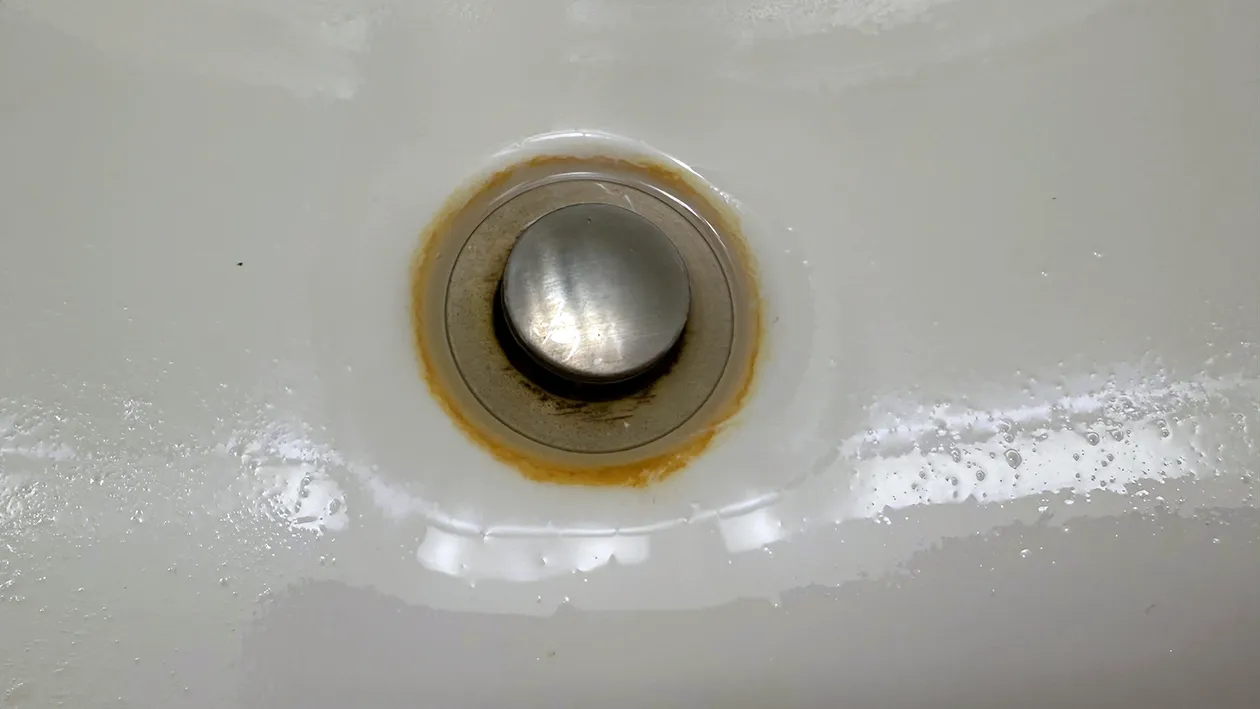
A bad smell coming from the bathroom drain can be frustrating and embarrassing. Even after a deep clean, that stubborn odour lingers, making the space feel unpleasant.
The problem isn’t just surface-level. It is often caused by trapped debris, bacteria, or plumbing issues. But you don’t have to put up with it.
With the right approach, you can eliminate the smell for good. These are the causes and the best solutions to keep your bathroom smelling fresh.
Why Does Your Bathroom Drain Smell?
Before we jump into solutions, it’s important to know why your drain smells bad in the first place. Here are the most common reasons:
Buildup of Hair, Soap Scum & Debris
Over time, hair, soap, and grime can accumulate in your drain, creating the perfect environment for bacteria to grow and cause foul odours. To help prevent this, try to avoid letting too much hair go down the drain. You can use a simple drain cover or strainer to catch hair and larger debris before they become a problem. Regularly cleaning out any visible buildup around the drain will also keep things flowing smoothly and help keep unpleasant smells at bay.
Blocked Drain Issues
A partial or fully blocked drain can cause water to stagnate, leading to a bad smell. If the issue gets worse, you may need blocked drain repairs to get it properly fixed.
Dry P-Trap
The P-trap is the U-shaped pipe under your sink or shower that holds a small amount of water to prevent sewer gases from rising. If it dries out (which can happen in unused bathrooms), bad smells can come up. To keep the traps hydrated and functioning properly, make a habit of running water through any taps in your home regularly. This is especially important in guest bathrooms or sinks that don’t see much action. This simple step helps ensure those crucial water barriers stay intact and your home smells fresh.
A dry trap also lets drain flies move up from the sewer, so if you are seeing small moth-like insects around the drain as well as smelling it, that points to the same cause.
Mould & Mildew Growth
Bathrooms are damp places, and mould or mildew can grow inside your drain pipes, contributing to musty odours. While mould is usually harmless (it even gives certain cheeses their distinctive flavor), it thrives in moist environments like your bathroom and can quickly become a nuisance. As it grows, mould releases puffs of gas that don’t just smell unpleasant. They can also trigger headaches and even respiratory problems for some people. If you start to notice persistent musty smells or spot any mould growth near your drains, it’s wise to address the issue promptly before it becomes a bigger problem.
Sewer Line Issues
If your entire bathroom smells like sewage, there could be a bigger problem with your sewer line. You might need a blocked drain plumber to investigate further.
What About That Sulfur Smell?
A particularly unpleasant smell, often described as rotten eggs or sulfur, can also make its way up from your drain. This is a common complaint and can either come from the drain itself or from the water supply. To pinpoint the source, try running water from multiple taps around the house:
- If you notice the sulfur smell from all faucets, it’s likely coming from your water supply.
- If the smell is isolated to one drain, there may be contamination in that particular pipe or a venting issue allowing sewer gases to escape.
Knowing where the smell starts can help you decide whether you need to flush out a pipe, clean a trap, or look into potential water supply issues.
Venting Problems
Another culprit behind persistent drain smells is improper venting in your plumbing system. Bathroom drains rely on vent pipes to safely channel sewer gases outside. If these vents become blocked or were poorly installed, odours can’t escape as they should. Instead, they hang around in your pipes and eventually your bathroom, making the problem worse no matter how much you clean. Poor venting can also cause slow drainage and gurgling sounds from your drains, adding insult to injury.
How Tree Roots and Mineral Buildup Cause Drain Odours
Two less obvious, but equally pesky, culprits behind smelly drains are tree roots and mineral buildup.
Tree Roots Sneaking In
Believe it or not, tree roots are surprisingly skilled at finding tiny cracks or joints in underground pipes. Once they get inside, they create blockages that slow down or even trap wastewater. When water gets stuck, organic matter builds up and begins to break down, releasing musty or sewage-like smells that creep back up into your bathroom. If your home is surrounded by leafy trees (like the typical gum or jacaranda in Sydney yards), this is something to keep in mind, as roots are always searching for water sources.
Mineral Buildup Over Time
If you live in an area with hard water, your pipes can gradually develop a crusty layer of minerals such as calcium and magnesium. This buildup can narrow the pipes, slowing drainage and giving hair, soap scum, and other debris plenty of opportunities to collect. The result? Stagnant water and gunk, which becomes a breeding ground for bacteria, proving to be the true source of that lingering smell.
Why Regular Plumbing Maintenance Matters
Old pipes start to weaken and crack over time, which can cause leakages and, from there, buildups of bacteria and mould. So it’s best to check your pipes and ensure they are in good condition. Regular plumbing maintenance can save you from disaster in the long run. Catching issues like root invasion or mineral buildup early prevents those sneaky odours and keeps your drains running clear.
By tackling these hidden sources head-on, and keeping your plumbing in check, you can stop foul odours before they turn your bathroom into a no-go zone.
What If Your Drain Smells Like Sulfur?
Caught a whiff of rotten eggs near your bathroom drain? That telltale sulfur smell can be alarming. But before you panic, let’s pinpoint where it’s actually coming from.
Here’s a quick way to track down the source:
- Test Other Faucets: Run water from other taps around your home (kitchen, laundry, other bathrooms). If the same sulfur smell appears everywhere, your water supply is likely the culprit. Sometimes, water heaters or municipal water issues are to blame.
- Check Just the Smelly Drain: If only one drain emits the odor, it’s likely coming from the pipes connected to that fixture, like a buildup in the drain or an issue with venting.
If it’s the water supply, you might want to contact your water provider. But if the smell sticks to just one room, focus your cleaning and troubleshooting there.
Time To Get Rid of Smelly Drains in the Bathroom
Now that you know the causes, here’s how to fix the problem step by step:
1. Flush the Drain With Boiling Water
Sometimes, all you need is a strong flush to break down minor blockages. Boil a kettle of water and pour it slowly down the drain. This helps dissolve soap scum, grease, and minor debris buildup.
2. Use Baking Soda and Vinegar
This natural remedy is highly effective for getting rid of odours and mild clogs:
- Pour ½ cup of baking soda into the drain.
- Follow with 1 cup of white vinegar.
- Let it fizz and break down the grime for 10 to 15 minutes.
- Rinse with hot water.
3. Clean the Drain with a Plunger
A simple plunger can help loosen debris stuck in the pipes. Make sure there’s enough water in the sink or shower to create suction, then plunge firmly for about 30 seconds.
If hot water and vinegar haven’t eliminated the smell, this could indicate a more stubborn blockage. You can combine plunging with those earlier methods for extra effectiveness. Repeat the plunging process as needed until the odour is gone.
4. Remove Hair and Debris Manually
If you suspect hair buildup, use a drain snake or wire hanger to pull out the gunk. You might be surprised by how much is stuck in there!
5. Disinfect with Hydrogen Peroxide
For stubborn smells, pour ½ cup of hydrogen peroxide down the drain and let it sit for 30 minutes before flushing with hot water. This kills bacteria and eliminates odours.
6. Check the P-Trap
If your drain smells like sewage, pour water down the drain to refill the P-trap. If the smell persists, you may need blocked drain repairs to inspect deeper plumbing issues.
7. Call a Blocked Drain Plumber
If none of these methods work, it’s time to call a professional. A blocked drain plumber can diagnose the problem and provide long-term solutions to prevent the issue from coming back.
How Do the Pros Unclog Bathroom Drains?
When home remedies just aren’t cutting it, plumbers roll up their sleeves with a few tried-and-true methods:
- Physical Removal: First, they’ll often start by physically removing any obvious clumps of hair, soap scum, or debris lurking just beneath the drain cover using specialised drain snakes or grabbers.
- Strong Drain Cleaners: For stubborn gunk further down, professionals may use powerful (but safe) commercial-grade drain cleaners to dissolve residue that’s built up along the pipe walls.
- Trap Solutions: To put an end to recurring odours, some plumbers install specially designed barriers inside the floor waste or water trap. These clever devices act as a one-way seal, stopping nasty smells from sneaking back up into your bathroom.
Each of these steps helps restore smooth, fresh-smelling drains and keeps blockages from making a return appearance.
Preventing Smelly Bathroom Drains
Once you’ve fixed the problem, keep it from happening again with these tips:
- Use a drain cover to catch hair and debris before they go down.
- Flush your drain with boiling water once a week to prevent buildup.
- Pour baking soda and vinegar down the drain every few weeks to keep it fresh.
- Regularly check for slow drainage, as it could indicate early blockages.
- If you notice recurring smells, consider professional drain maintenance.
What Is a GrateMate and Can It Really Stop the Smell?
If you’re looking for extra insurance against those nasty odours wafting from your bathroom drain, consider using a device like a GrateMate. This clever gadget acts as a barrier within your floor waste, sitting snugly in the water trap (much like an upside-down plunger). Its main job? Creating a tight seal that prevents unwanted smells from sneaking up through the pipes and into your bathroom.
Here’s why it’s worth considering:
- Extra Odour Protection: By sealing off the drain, it keeps sewer gases locked away where they belong.
- No Interference With Drainage: Water still flows easily, but unpleasant smells can’t backtrack into your space.
- Low Maintenance: Once installed, there’s very little you need to do. Just enjoy a fresher-smelling bathroom.
Think of it as an extra shield, working alongside your regular cleaning routine to keep your bathroom inviting and odour-free.
Restore Freshness with a Clear Drain
When bathroom drain odours just won’t go away, the problem might be deeper in your plumbing. At Ready Set Plumb, we use professional-grade equipment to inspect, diagnose, and fix blocked drains in Sydney.
Don’t let a bad smell take over your home; get long-lasting solutions from our expert team.